
Conditions Treated
Back Injury and Pain
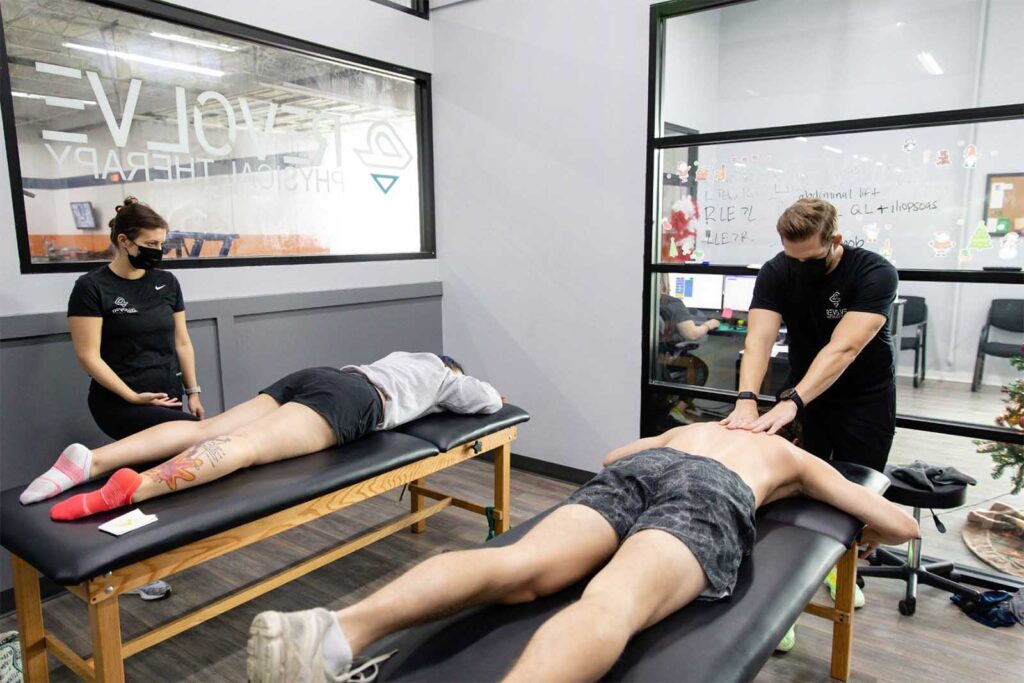
Our River Oaks, Memorial, East Downtown, and Sugar Land clinics all treat chronic and acute back pain using our R3 Method. Specializing in spine care, we target issues often tied to joints, muscles, or discs—the usual suspects behind persistent pain and muscle spasms. By pinpointing the exact cause of your discomfort, we create a personalized treatment plan tailored to your unique needs, often eliminating the need for injections, medications, costly surgeries, or other invasive procedures. Don’t let back injuries or chronic pain control your life—schedule an appointment with one of our licensed therapists today and start your journey to recovery.
Pelvic Floor and Core Strengthening
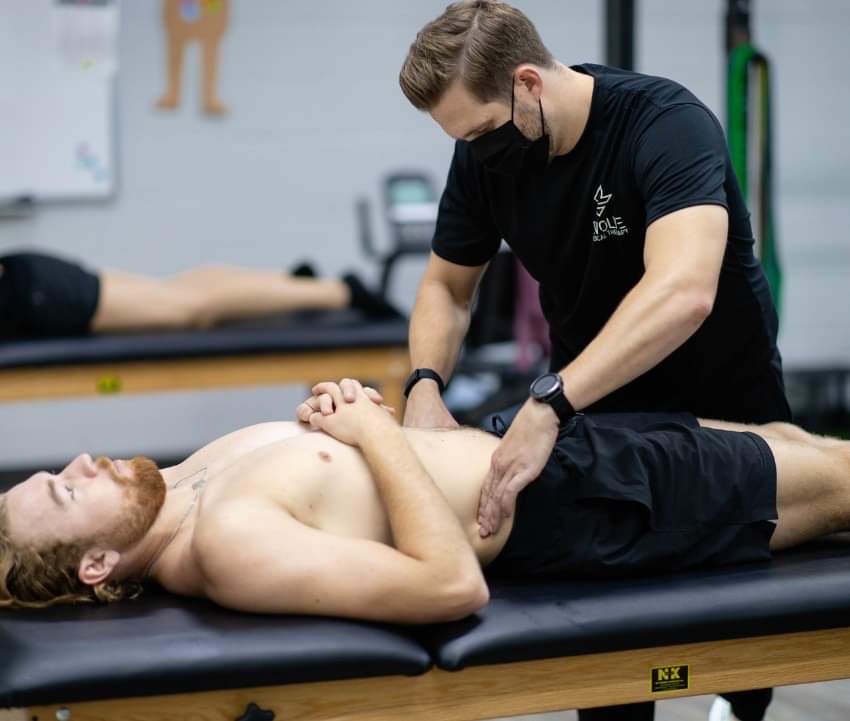
Experiencing pelvic floor issues or diastasis recti? At Revolve Physical Therapy, our therapists are here to help you strengthen your core and pelvic floor muscles. We offer targeted treatments designed to address pelvic floor dysfunction and the separation of abdominal muscles (diastasis recti), helping you regain strength, stability, and confidence.
Neck Injury and Pain
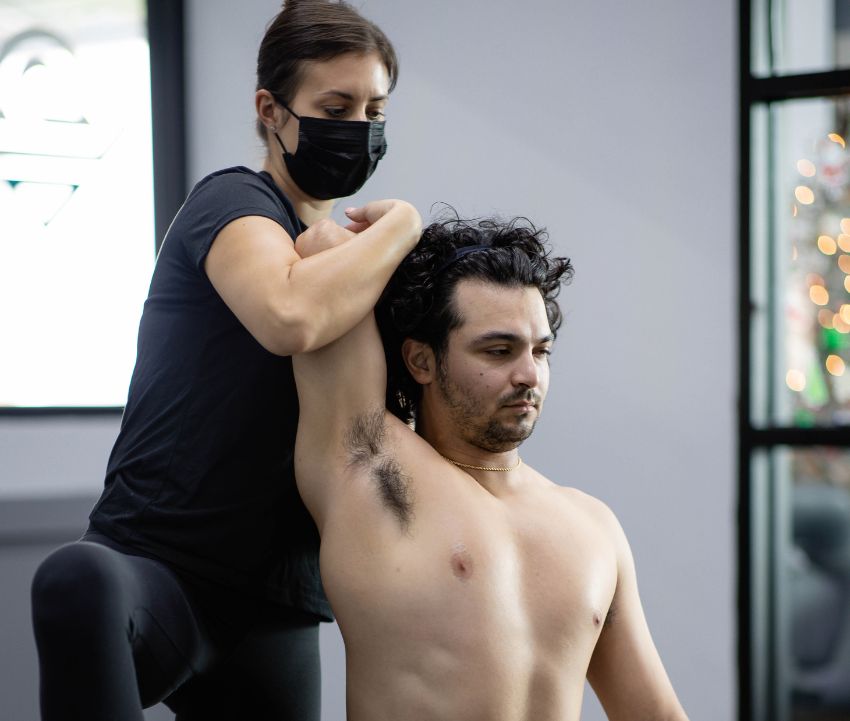
Revolve Physical Therapy offers specialized treatment for neck pain in Houston, TX. Our team of experienced therapists will work with you to develop a personalized treatment plan that addresses the underlying causes of your pain. We offer a variety of services that can help to relieve pain and improve your range of motion, including manual therapy, exercises, and electrical stimulation. We also offer education on proper posture and ergonomics to help prevent future pain. If you are suffering from neck pain, call Revolve Physical Therapy today to schedule a consultation.

Knee Injury and Pain
Dealing with knee pain or a knee injury? At Revolve Physical Therapy, our skilled therapists are here to help you recover from all types of knee issues, including sprained knees, MCL sprains/strains, and runner’s knee. We use targeted techniques like manual therapy, strength training, and personalized exercises to reduce pain and restore mobility. Whether you’re struggling with chronic knee pain or a recent injury, we’ll develop a customized plan to get you back on your feet and avoid costly injections, medicines, and procedures. Don’t let knee pain slow you down—find true relief and recovery at Revolve Physical Therapy. Schedule your appointment today.
Foot Injury and Pain
Suffering from foot pain or a recent foot injury? Our therapy team is ready to help you recover from a range of foot issues, including foot sprains/strains, heel spurs, and heel pain. We use specialized techniques such as manual therapy, targeted exercises, and custom orthotic recommendations (provided by our Podiatry Physician partners) to alleviate pain and restore function. Whether you’re dealing with chronic foot pain or an acute injury, we’ll create a personalized treatment plan to get you back on your feet pain free, literally. Don’t let foot pain hold you back—experience effective & long lasting relief with Revolve Physical Therapy.
Ready to start your recovery? Our Physical Therapists are available at our River Oaks, Memorial, and Sugar Land clinics. Book your assessment today.
Elbow Injury and Pain
Struggling with elbow pain or a recent injury? At Revolve Physical Therapy, our skilled therapists specialize in treating a variety of elbow issues, including tennis elbow, golfer’s elbow, and general elbow pain. Whether your elbow pain is from overuse, injury, or chronic conditions, we’ll develop a custom treatment plan to get you back to your daily activities pain-free. Don’t let elbow pain limit your life—find relief with Revolve Physical Therapy.
Ready to start your recovery? Our Physical Therapists are available at our River Oaks, Memorial, and Sugar Land clinics. Book your assessment today.
In Texas, it depends on your insurance policy and the specific physical therapy clinic. While some insurance policies require a referral from a healthcare provider such as a physician or chiropractor, other insurance policies may allow patients to directly access physical therapy without a referral for up to 10 calendar days.
If your insurance policy does not require a referral, you can contact a physical therapy clinic directly to schedule an appointment. However, if your insurance policy does require a referral, you will need to obtain one from a healthcare provider before scheduling an appointment with a physical therapist.
It is always a good idea to check with your insurance company to understand the specific requirements of your policy, as well as to confirm the network status of the physical therapy clinic you plan to visit. Additionally, you can contact the physical therapy clinic directly to ask if they require a referral before scheduling an appointment.
Overall, while some patients may be able to go to physical therapy without a referral in Texas, it ultimately depends on their insurance policy and the policies of the physical therapy clinic they plan to visit.
Physical therapy is a broad field with a range of specializations and treatment options available to patients. The type of treatment you receive will depend on your condition and the specific goals of your therapy. Some common types of physical therapy treatment include outpatient physical therapy, which is usually provided in a clinic or office setting and can include exercises, manual therapy, and other interventions to address musculoskeletal and other conditions.
Sports medicine physical therapy is another specialty that focuses on injuries and conditions related to sports and athletics. This can include rehabilitation following surgery or injury, as well as injury prevention and performance enhancement for athletes.
Neurological physical therapy is a specialized area of treatment that focuses on patients with conditions such as stroke, traumatic brain injury, multiple sclerosis, or Parkinson’s disease. The goal of neuro PT is to help patients improve their mobility, strength, balance, and coordination.
Pediatric physical therapy is focused on treating children with developmental or physical disabilities. This type of therapy aims to help children improve their motor function, balance, coordination, and strength, and can be provided in both outpatient and inpatient settings.
Acute physical therapy is provided in the hospital setting for patients who are acutely ill or have suffered an injury. This type of therapy can include a range of interventions to address pain, immobility, and other symptoms.
Long-term acute physical therapy is provided for patients who require ongoing care for chronic or complex conditions. This type of therapy can be provided in inpatient or outpatient settings, and may involve a range of interventions to address physical, cognitive, and emotional needs.
Overall, physical therapy treatment can be tailored to meet the needs of patients across a range of conditions and settings, from acute injury to chronic illness.
The frequency of physical therapy sessions can vary depending on the specific needs and goals of the patient. At physical therapists discretion, typically 2-3 days per week is recommended for most patients. This frequency allows for adequate time for the patient to recover and rest between sessions while also providing enough consistency to make progress toward their goals.
It is important to note that the frequency of physical therapy sessions may vary depending on the severity of the condition being treated, the patient’s age and overall health, and the goals of the therapy. Some patients may require more frequent sessions, such as those recovering from a recent surgery or injury, while others may benefit from less frequent sessions for more maintenance-type care.
It is important to work closely with your physical therapist to develop a treatment plan that is tailored to your individual needs and goals, and to communicate any concerns or questions you may have about the frequency of your sessions. By working together with your physical therapist and following their recommended treatment plan, you can achieve optimal results from your physical therapy sessions.
One of the most common injuries that physical therapists encounter is back/neck strain. This type of injury can be caused by a variety of factors, including poor posture, overuse or repetitive motion, sudden movements, or trauma such as a fall or car accident.
Back/neck strain can cause significant pain and discomfort, and may limit the patient’s ability to perform everyday tasks or engage in physical activity. Physical therapy is often recommended as a first-line treatment for back/neck strain, as it can help to reduce pain, increase range of motion, and improve overall function.
The specific treatment plan for back/neck strain will depend on the severity of the injury and the individual needs of the patient. Physical therapy interventions may include exercises to improve strength and flexibility, manual therapy to reduce pain and improve joint mobility, and education on proper posture and body mechanics to prevent further injury.
In addition to physical therapy, patients with back/neck strain may benefit from other interventions such as heat or ice therapy, over-the-counter pain medication, or in some cases, prescription medication or surgery. By working closely with their physical therapist and following a comprehensive treatment plan, patients with back/neck strain can often achieve significant improvement in their pain and function.
It’s difficult to pinpoint the most injured body part, as the prevalence of injuries can vary depending on a number of factors such as age, occupation, and lifestyle. However, the neck, back, hips, and knees are all areas that are commonly affected by injuries and conditions that may require physical therapy.
Neck injuries can result from a number of causes such as poor posture, whiplash, or degenerative conditions such as osteoarthritis. Physical therapy can help to reduce pain, improve range of motion, and restore function in the neck.
Back injuries are also common, and can range from muscle strains to herniated discs. Physical therapy for back injuries may include exercises to improve strength and flexibility, manual therapy to reduce pain and improve mobility, and education on proper posture and body mechanics.
Hip injuries may be caused by overuse or trauma, and can result in pain and difficulty with walking or other physical activities. Physical therapy can help to improve strength, flexibility, and mobility in the hip joint, and may include exercises and manual therapy.
Knee injuries are also common, and can be caused by a variety of factors such as overuse, trauma, or degenerative conditions such as osteoarthritis. Physical therapy for knee injuries may include exercises to improve strength and flexibility, manual therapy, and education on proper biomechanics during physical activity.
By working with a physical therapist and following a comprehensive treatment plan, patients with injuries to the neck, back, hips, or knees can often achieve significant improvement in their pain and function.
While physical therapy is generally considered a safe and effective treatment for musculoskeletal injuries and conditions, there is a small risk that it could make an injury worse in some cases. However, this is relatively rare and is usually preventable with proper assessment, diagnosis, and treatment planning.
One potential cause of injury exacerbation during physical therapy is overexertion. If a patient is pushed too hard or too quickly during therapy, this can lead to increased pain or worsening of the underlying condition. To avoid this, physical therapists will typically perform a thorough assessment of the patient’s condition and develop a personalized treatment plan that takes into account the patient’s individual needs and goals.
Another potential risk is improper technique or incorrect use of equipment. If a physical therapist or patient uses improper form or technique during exercises or other interventions, this can increase the risk of further injury. To avoid this, physical therapists will typically provide clear instructions and demonstrations for each exercise or technique, and will monitor the patient’s form and technique throughout the therapy session.
It’s also important to note that some conditions may be aggravated by physical therapy, particularly in cases where the underlying condition is not properly diagnosed or where the wrong type of therapy is prescribed. However, this risk can be minimized by working with a qualified and experienced physical therapist who is skilled in assessing and diagnosing musculoskeletal conditions and designing personalized treatment plans to address the underlying issues.
Overall, while there is a small risk of injury exacerbation during physical therapy, this risk can be minimized through proper assessment, diagnosis, and treatment planning, as well as careful monitoring and communication between the patient and therapist throughout the therapy process.
Yes, it is often worth seeing a physical therapist for a wide range of musculoskeletal conditions and injuries. Physical therapy can help to reduce pain, improve mobility and function, and prevent the need for more invasive procedures such as steroid injections or surgery in some cases.
Physical therapists are highly trained healthcare professionals who specialize in the diagnosis and treatment of musculoskeletal conditions and injuries. They can design personalized treatment plans that are tailored to the individual needs and goals of each patient, using a variety of interventions such as exercises, manual therapy, and patient education.
By working with a physical therapist, patients can often achieve significant improvement in their pain and function without the need for more invasive procedures such as steroid injections or surgery. Physical therapy can also help to prevent future injuries and promote overall physical health and wellbeing.
In addition, physical therapy may be covered by insurance, making it a cost-effective option for many patients. By seeing a physical therapist early on in the course of a musculoskeletal condition or injury, patients can often avoid more costly and invasive treatments down the road.
Overall, seeing a physical therapist is a valuable option for many individuals with musculoskeletal conditions and injuries. By working with a qualified and experienced physical therapist, patients can often achieve significant improvement in their pain and function, while avoiding more invasive procedures and promoting overall physical health and wellbeing.
When it comes to treating musculoskeletal conditions and injuries, both chiropractors and physical therapists can be effective, but in their own way.
Chiropractors focus on the relationship between the spine and nervous system, and use manual techniques such as spinal manipulation to improve joint mobility and alleviate pain. They may also incorporate other therapies such as ultrasound, electric stimulation, or acupuncture. Chiropractors often focus on acute pain relief and the restoration of spinal alignment and mobility.
Physical therapists, on the other hand, focus on a broader range of musculoskeletal conditions and injuries, and use a variety of interventions such as exercise, manual therapy, and patient education to improve strength, flexibility, mobility, and overall function. They are educated more on physical rehabilitation, injury prevention, and permanent relief of pain/discomfort through manual therapy and corrective movements. Physical therapists often focus on long-term pain management, rehabilitation, and improving overall quality of life.
The approach that is best for an individual can depend on the specific condition or injury being treated, as well as personal preferences and goals. Chiropractic care may be more appropriate for some acute injuries, such as low back pain, neck pain, or headaches, while physical therapy may be more appropriate for conditions that require a longer-term approach, such as chronic pain, arthritis, or post-surgical rehabilitation.
It’s important to note that both chiropractors and physical therapists can play an important role in the treatment of musculoskeletal conditions and injuries, and they can often work together to provide a comprehensive and effective treatment plan. By consulting with both professionals, patients can often benefit from a multi-disciplinary approach to their care, and achieve the best possible outcomes for their individual needs and goals.