
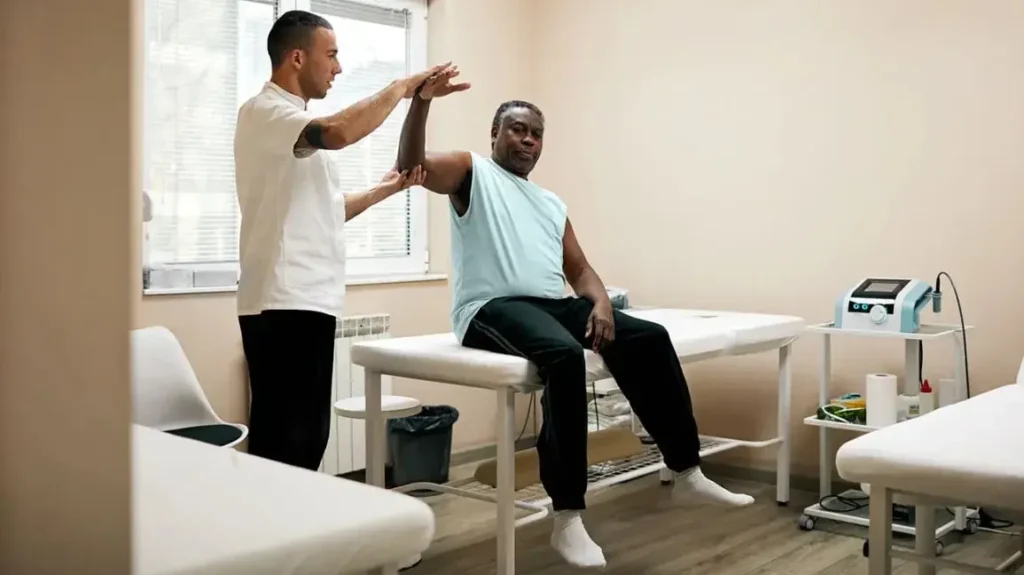
Physical therapy is one of the most effective ways to recover from pain, injury, or surgery — but one of the most common questions patients ask is: “How long will it take to get better?”
The honest answer? It depends. Every body heals differently, and every condition requires its own timeline. But understanding what influences the duration of therapy can help you set realistic expectations and stay motivated throughout the process.
What Determines Your Recovery Timeline?
Several factors influence how long physical therapy takes:
1. The Type of Injury
A mild muscle strain heals faster than a ligament injury or chronic joint issue.
General timelines:
- Mild injuries: 2–4 weeks
- Moderate injuries: 4–8 weeks
- Severe or chronic conditions: 8–12+ weeks
2. How Long You’ve Had the Problem
Recent injuries typically respond quicker.
Chronic issues take longer because your body has built compensations over time.
3. Tissue Healing Speed
Muscles, tendons, ligaments, and cartilage all heal at different rates.
Therapy supports healing — it doesn’t override biology.
4. Strength, Mobility & Movement Quality
If your body moves efficiently, recovery is faster.
If there are movement faults, asymmetries, or weakness, therapy needs more time.
5. Your Lifestyle and Activity Level
Athletes and active individuals may require extra sport-specific retraining.
Those with sedentary jobs may need work-position adjustments and posture correction.
Typical Physical Therapy Timelines
While every case is unique, these are general guidelines:
| Condition | Approximate Duration |
| Ankle sprain | 3–6 weeks |
| Knee pain (non-surgical) | 4–8 weeks |
| Post-operative shoulder | 12–20 weeks |
| Sciatica | 4–10 weeks |
| Sports injury rehab | 6–12 weeks |
| Post-fracture stiffness | 8–12 weeks |
Note: These are averages — progress may be faster or slower depending on individual factors.
Why PT Isn’t “One-Size-Fits-All”
Physical therapy isn’t a quick fix; it’s a progressive process that focuses on long-term results, not temporary relief.
A good PT program is built around your body, your goals, and your timeline.
Your therapist will continuously reassess your progress and adjust exercises as you grow stronger, more mobile, and more stable.
Signs You’re Moving in the Right Direction
Even if full recovery takes time, you should start noticing improvements such as:
✔ Less pain
✔ Better mobility
✔ Increased strength
✔ More confidence in movement
✔ Improved balance and stability
These small wins add up — and they’re proof the process is working.
How to Speed Up Your Physical Therapy Results
To maximize progress:
- Attend all scheduled sessions
- Do your home exercises daily
- Stay active within your therapist’s guidelines
- Manage stress and sleep well
- Communicate openly about pain, progress, or concerns
- Avoid comparing your recovery to others
Frequently Asked Questions
Does everyone recover at the same pace?
No. Results depend on injury, lifestyle, and how well your body adapts to strength and mobility work.
Can physical therapy replace surgery?
In many cases, yes. Many injuries improve without surgical intervention.
Will I feel better right away?
Some people improve within the first few sessions; others need more time depending on inflammation, mobility, or strength deficits.
Final Words
Physical therapy timelines vary widely, but most people start seeing meaningful improvements within 1–6 weeks (many times after their first session), with complete recovery taking anywhere from a few weeks to several months depending on the injury.
With the right plan, consistent effort, and a supportive physical therapist, you’ll be moving better — and feeling better — sooner than you think.
Revolve Physical Therapy offers specialized diastasis recti and pelvic floor treatment at our River Oaks, Memorial, and Sugar Land clinics